4.6* Rated
Sign up for 10% off your first order
4.6* Rated
Sign up for 10% off your first order
4.6* Rated
Sign up for 10% off your first order
4.6* Rated
Sign up for 10% off your first order
4.6* Rated
Sign up for 10% off your first order
4.6* Rated
Sign up for 10% off your first order
4.6* Rated
Sign up for 10% off your first order
4.6* Rated
Sign up for 10% off your first order
4.6* Rated
Sign up for 10% off your first order
4.6* Rated
Sign up for 10% off your first order
4.6* Rated
Sign up for 10% off your first order
4.6* Rated
Sign up for 10% off your first order
4.6* Rated
Sign up for 10% off your first order
4.6* Rated
Sign up for 10% off your first order
4.6* Rated
Sign up for 10% off your first order
4.6* Rated
Sign up for 10% off your first order
4.6* Rated
Sign up for 10% off your first order
4.6* Rated
Sign up for 10% off your first order
4.6* Rated
Sign up for 10% off your first order
4.6* Rated
Sign up for 10% off your first order
4.6* Rated
Sign up for 10% off your first order
4.6* Rated
Sign up for 10% off your first order
4.6* Rated
Sign up for 10% off your first order
4.6* Rated
Sign up for 10% off your first order
4.6* Rated
Sign up for 10% off your first order
4.6* Rated
Sign up for 10% off your first order
4.6* Rated
Sign up for 10% off your first order
4.6* Rated
Sign up for 10% off your first order
4.6* Rated
Sign up for 10% off your first order
4.6* Rated
Sign up for 10% off your first order
4.6* Rated
Sign up for 10% off your first order
4.6* Rated
Sign up for 10% off your first order
4.6* Rated
Sign up for 10% off your first order
4.6* Rated
Sign up for 10% off your first order
4.6* Rated
Sign up for 10% off your first order
4.6* Rated
Sign up for 10% off your first order
4.6* Rated
Sign up for 10% off your first order
4.6* Rated
Sign up for 10% off your first order
4.6* Rated
Sign up for 10% off your first order
4.6* Rated
Sign up for 10% off your first order
4.6* Rated
Sign up for 10% off your first order
4.6* Rated
Sign up for 10% off your first order
4.6* Rated
Sign up for 10% off your first order
4.6* Rated
Sign up for 10% off your first order
4.6* Rated
Sign up for 10% off your first order
4.6* Rated
Sign up for 10% off your first order
4.6* Rated
Sign up for 10% off your first order
4.6* Rated
Sign up for 10% off your first order
4.6* Rated
Sign up for 10% off your first order
4.6* Rated
Sign up for 10% off your first order
4.6* Rated
Sign up for 10% off your first order
4.6* Rated
Sign up for 10% off your first order
4.6* Rated
Sign up for 10% off your first order
4.6* Rated
Sign up for 10% off your first order
4.6* Rated
Sign up for 10% off your first order
4.6* Rated
Sign up for 10% off your first order
4.6* Rated
Sign up for 10% off your first order
4.6* Rated
Sign up for 10% off your first order
4.6* Rated
Sign up for 10% off your first order
4.6* Rated
Sign up for 10% off your first order
4.6* Rated
Sign up for 10% off your first order
4.6* Rated
Sign up for 10% off your first order
4.6* Rated
Sign up for 10% off your first order
4.6* Rated
Sign up for 10% off your first order
4.6* Rated
Sign up for 10% off your first order
4.6* Rated
Sign up for 10% off your first order
4.6* Rated
Sign up for 10% off your first order
4.6* Rated
Sign up for 10% off your first order
4.6* Rated
Sign up for 10% off your first order
4.6* Rated
Sign up for 10% off your first order
4.6* Rated
Sign up for 10% off your first order
4.6* Rated
Sign up for 10% off your first order
4.6* Rated
Sign up for 10% off your first order
4.6* Rated
Sign up for 10% off your first order
4.6* Rated
Sign up for 10% off your first order
4.6* Rated
Sign up for 10% off your first order
4.6* Rated
Sign up for 10% off your first order
4.6* Rated
Sign up for 10% off your first order
4.6* Rated
Sign up for 10% off your first order
4.6* Rated
Sign up for 10% off your first order
4.6* Rated
Sign up for 10% off your first order
4.6* Rated
Sign up for 10% off your first order
4.6* Rated
Sign up for 10% off your first order
4.6* Rated
Sign up for 10% off your first order
4.6* Rated
Sign up for 10% off your first order
4.6* Rated
Sign up for 10% off your first order
4.6* Rated
Sign up for 10% off your first order
4.6* Rated
Sign up for 10% off your first order
4.6* Rated
Sign up for 10% off your first order
4.6* Rated
Sign up for 10% off your first order
4.6* Rated
Sign up for 10% off your first order
4.6* Rated
Sign up for 10% off your first order
4.6* Rated
Sign up for 10% off your first order
4.6* Rated
Sign up for 10% off your first order
4.6* Rated
Sign up for 10% off your first order
4.6* Rated
Sign up for 10% off your first order
4.6* Rated
Sign up for 10% off your first order
4.6* Rated
Sign up for 10% off your first order
4.6* Rated
Sign up for 10% off your first order
4.6* Rated
Sign up for 10% off your first order

Bag 0
Recently viewed
Why not add...
- Close
Login
We changed the way you access your account. You will need to re-register to be able to login. If you have already done this, please login as normal.
Reset your password
Enter your email address below to recover your password
Create an account
Register below to view previous purchases and make checking out easier
Simon Phipps
“I have developed an eye for seeing the urbain grain” — Simon Phipps

“I have developed an eye for seeing the urbain grain” — Simon Phipps
Sign up for more Simon Phipps
Photographer Simon Phipps explores modernist and brutalist architecture through images that move beyond documentation, revealing the sculptural forms, material textures and shifting light of the built environment.
Simon Phipps is a photographer whose work explores modernist and brutalist architecture across Britain. His images move beyond documentation, interpreting buildings through light, shadow and form to reveal their sculptural presence. Drawn to the material textures of concrete and the clarity of post war modernism, Phipps’ photographs capture the atmosphere and spatial drama of the built environment.
Originally trained in sculpture at the Royal College of Art, Phipps approaches architecture with the sensibility of an artist rather than a surveyor. His compositions emphasise form, proportion and surface, revealing how light interacts with concrete and structure. This perspective allows his photographs to explore the tension between monumentality and intimacy that defines much brutalist architecture.
For over twenty five years Phipps has documented modernist architecture across the UK, creating an extensive photographic archive of buildings from the post war period. His work often focuses on structures that exist at a crossroads, where bold social ambitions and architectural experimentation meet the realities of ageing infrastructure and changing urban priorities.
Research and exploration play a central role in his practice. Phipps often begins by studying archival magazines, historical sources and digital tools such as Google Earth to map locations before visiting them. This process creates what he describes as a “familiarity without real experience”, allowing him to arrive on site with a strong sense of place while still responding instinctively to the atmosphere and geometry of the architecture.
Phipps is the author of several acclaimed books including Brutal London, Finding Brutalism, Concrete Poetry, Brutal North, Brutal Outer London, Brutal Wales and Brutal Scotland. Finding Brutalism won the 2018 DAM Architectural Book Award, while Brutal Outer London and Brutal Wales were shortlisted for Architecture Book of the Year in 2023 and 2025 respectively. Through both his photography and publications, Phipps has created one of the most comprehensive visual records of Britain’s modernist architectural heritage.
Artist CV
Brutal Scotland: Scotland's Post-War Modernist Architecture
On view from 21st February - 16th May 2026 in Glasgow, Simon Phipps brings that vision to Scotland's post-war modernist landmarks. In all, Simon studied 160 buildings from Inverness to Galashiels and the exhibition crystalises view of these them as cultural artefacts still carrying the conviction of the era that made them.
The installation further draws on the graphic language of Manplan, the radical architectural magazine of the late 1960s and early 1970s — immersing visitors in the visual atmosphere of the moment these buildings were born.


Inspiration


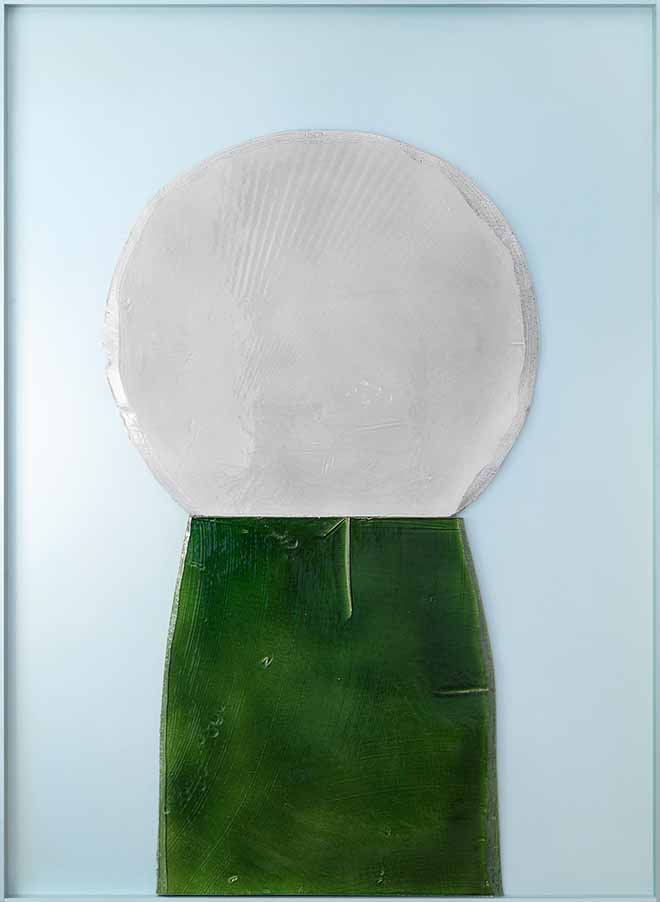
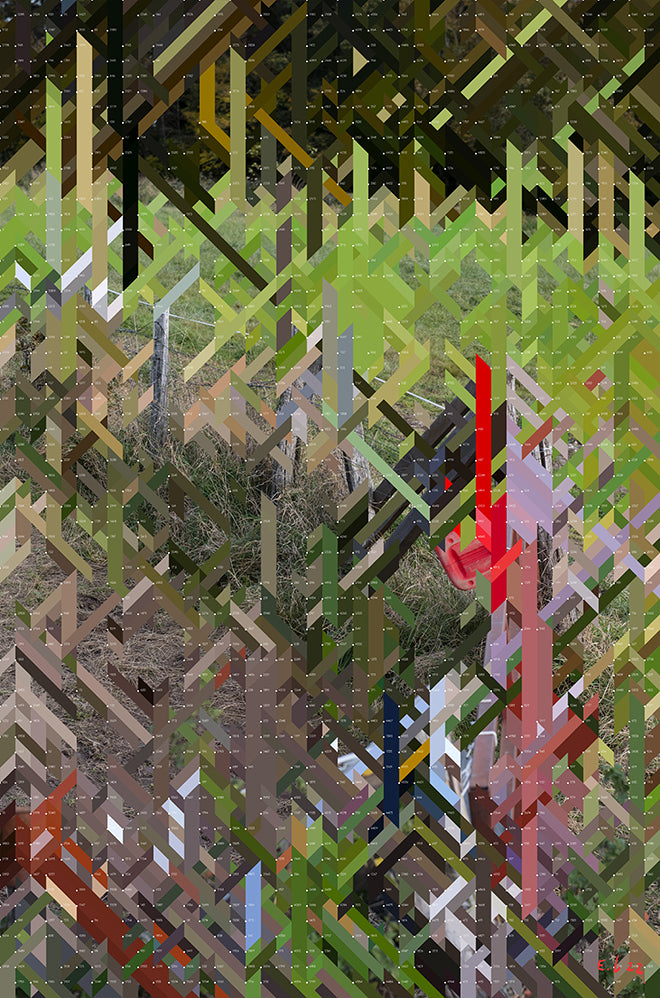
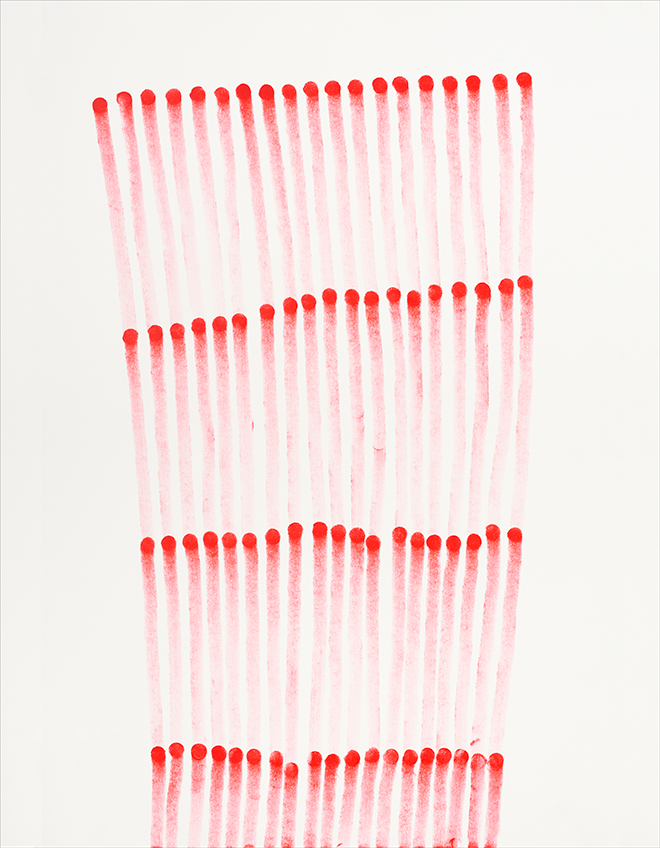
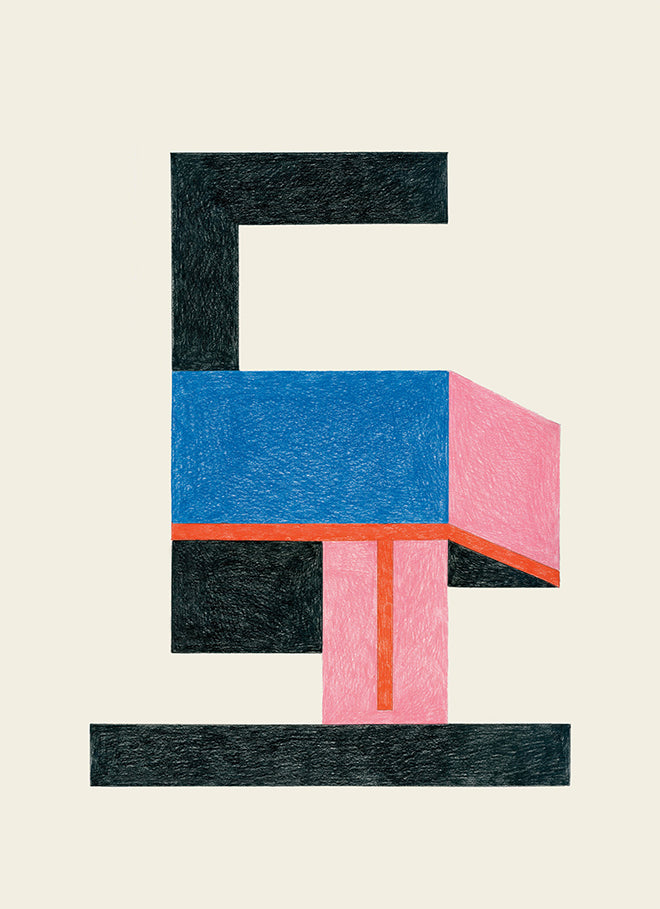
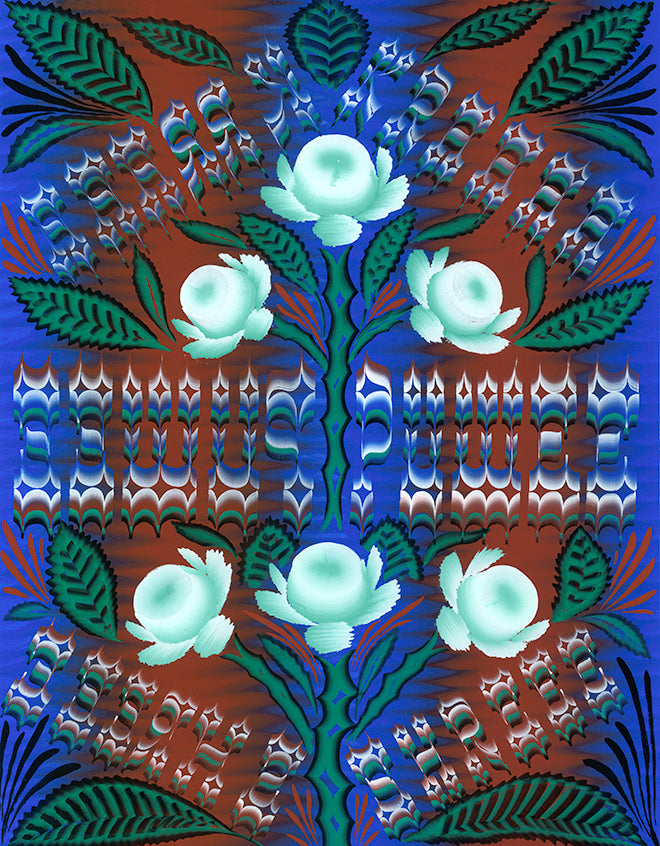
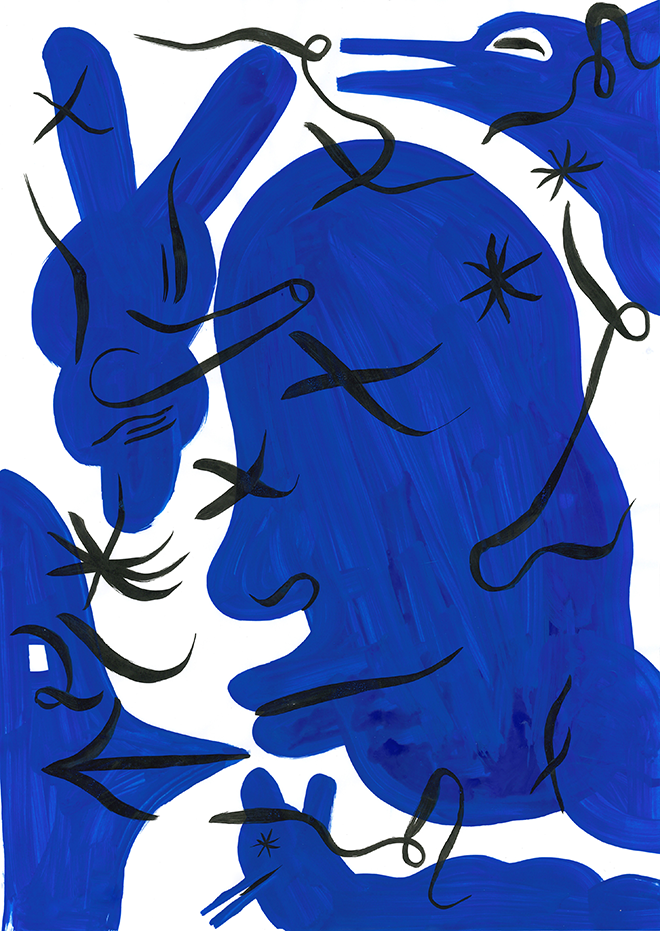
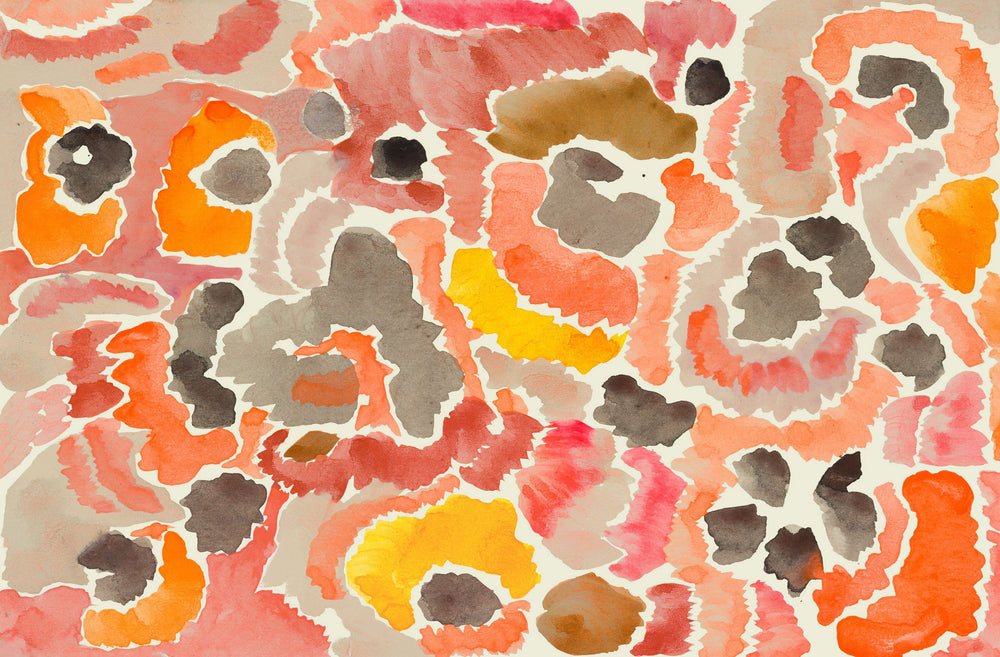
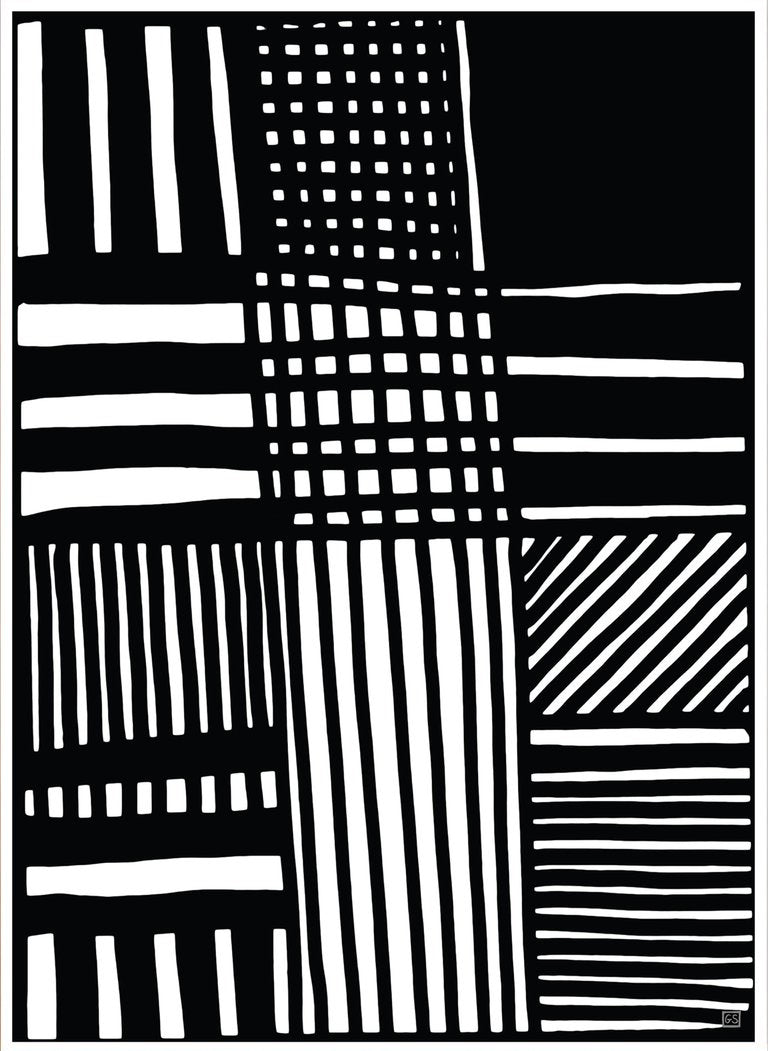
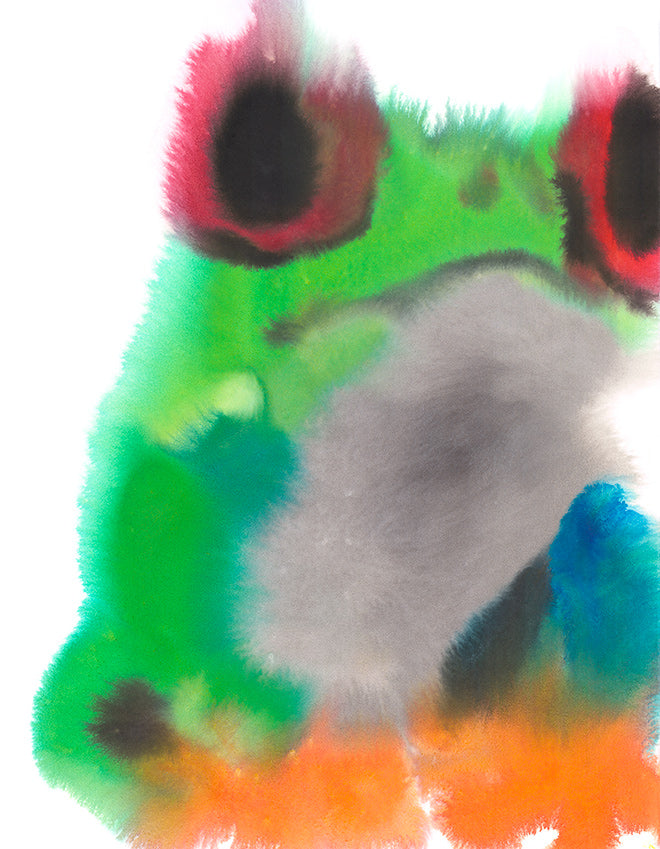
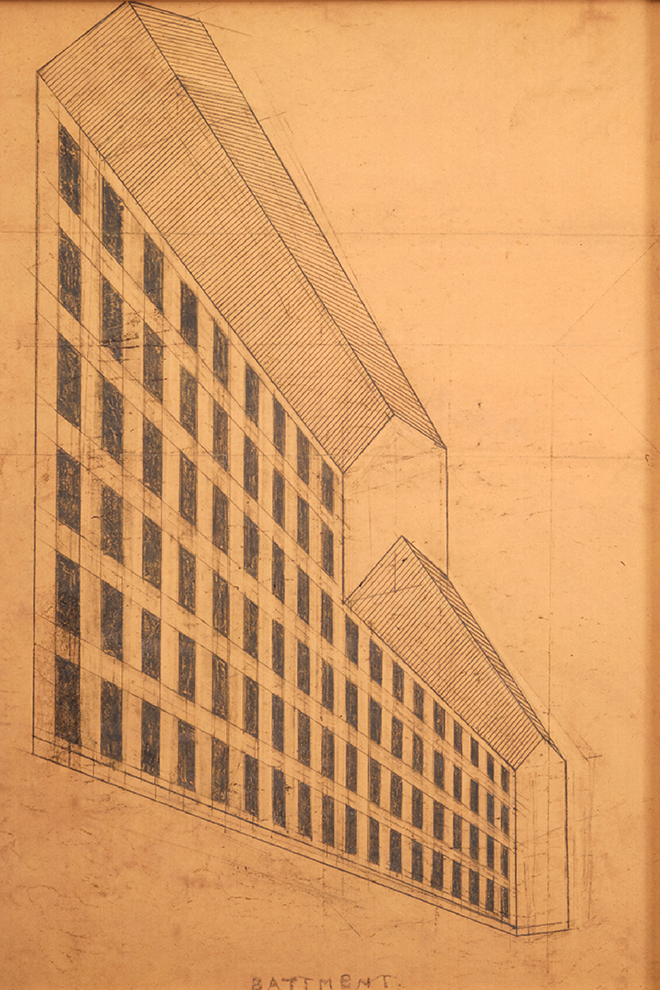
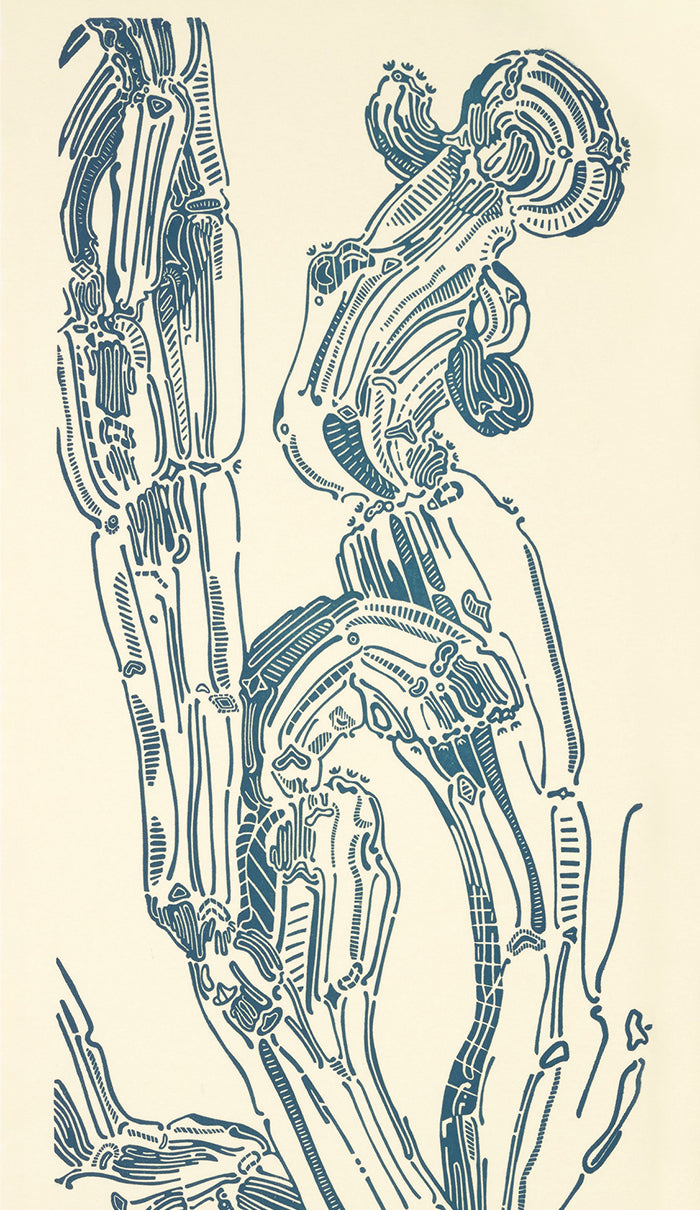
Nishant Choksi's work is known for its unique blend of humor and sharp social commentary. It is playful yet thought-provoking, encouraging viewers to reflect on modern life and the absurdities of societal norms, politics, and human behavior. This makes his work resonate across various audiences.
Artist and designer Ronan Bouroullec is a powerhouse of design. Notable for his architectural interventions, experimental objects and colourful abstract forms. His work is held in coveted permanent collections and he has collaborated with iconic brands such as Vitra, Hay, Flos, and Kvadrat.
World renowned artist, designer and tech subverter Erwan Bouroullec's work bridges both art and design. His diverse practice explores coding and computer algorithms to create unique digital drawings. His collaborative designs have seen him work with brands such as Vitra, Established & Sons and Kvadrat.
Brothers Ronan and Erwan Bouroullec live and work in Paris. Their oeuvre ranges from small everyday objects to architectural projects, furniture and drawings. For over two decades, the acclaimed duo have co-created iconic designs for major brands and their work is held in some of the world’s most coveted permanent collections.
Amsterdam-based designer and illustrator Rop van Mierlo's peculiar works feature untameable creatures. His signature dreamlike style has seen him collaborate with recognisable brands such as Maison Kitsuné Paris, Moncler and Hermès.
Visual artist Pierre Charpin balances colour, line, form and space in rhythmic, expressive compositions. Explore his minimalist aesthetic, and striking monochromatic prints. Known for his collaborations with recognisable brands such as Hermès, Hay and Saint-Louis Crystal to name a few.
Iconic artist and designer Nathalie Du Pasquier was a founding member of the Memphis group and ever since, she’s been an unstoppable force in shaping the design world as we know it. Her multifaceted practice has seen her work with the likes of American Apparel, Hermès, Bitossi and Mutina.
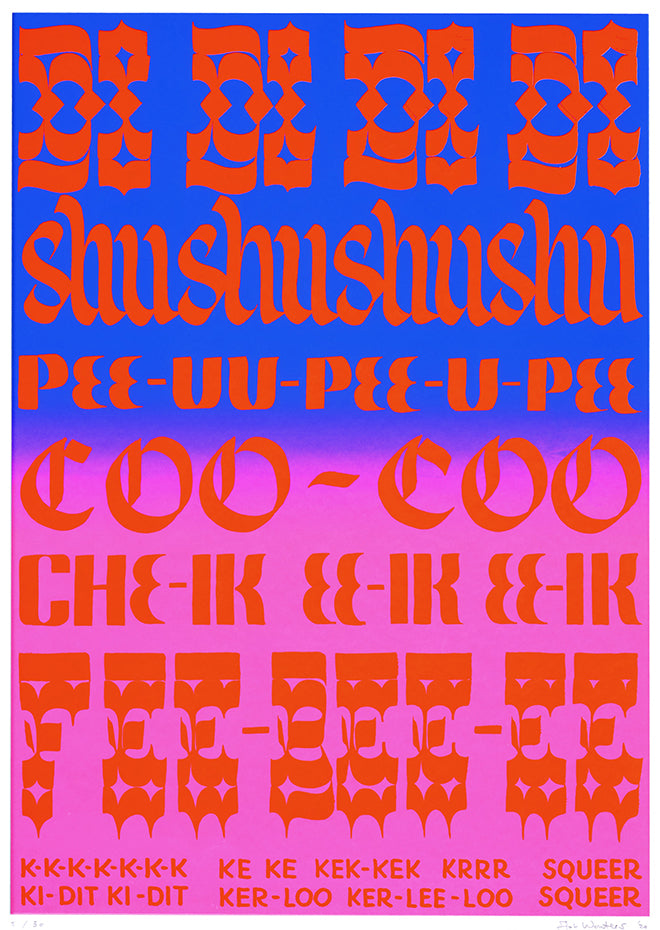
Gijs Frieling and Job Wouters, known collectively as FreelingWaters, work between illustration, painting, graphic design and furniture design to achieve a colourful and psychedelic aesthetic. Their debut collection premiered at London Design Week and Design Miami/Shanghai in the autumn of 2021 and ever since, they've worked on commissions for Elle Decor and fashion designer Dries van Noten, to art gallery The Future Perfect and more.
Working in the boundaries between art, decoration and design, Jaime Hayon's creations for are full of optimism and show his limitless imagination. His work can be seen in public spaces and as part of leading hotels worldwide, as well as making creations with brands such as Zara, Swarovski, Cartier, &Tradition and Cassina.
Renowned artist, writer and publisher, Canadian-born Leanne Shapton is now based in NYC. She is Art Editor of The New York Review of Books, and her illustrations have previously explored themes, such as swimming pools, women’s fashion, and floral forms.
George Sowden is a designer living and working in Milan and founding member of the Memphis Group. A designer for Swatch, Alessi, Guzzini, Moulinex and Steelcase among others. In recent years he started his own company, Sowden, and designed and produced a collection of items for Hay.
Philippe Weisbecker's work has been featured in some of the most prestigious publications, including The New York Times, Forbes, GQ and The New Yorker, and he is currently collaborating on inspiring projects with global design brands.
Bold and witty, Richard Woods' work is instantly identifiable. The British artist first gained recognition in the 1990s and is known for creating remarkable installations and sculptures that mimic the aesthetics of traditional architecture.
Part illustration, graffiti and calligraphy, Job Wouters mixes them all together to create powerful and vivid visuals. Over the last decade, he has worked for commissioners such as The New York Times, Süddeutsche Zeitung, Stussy, Nike and Universal.
British designer Bethan Laura Wood's colourful approach has seen her work with a wide range of companies, including Valextra, Kvadrat, CC-Tapis and Dior. Her work has been exhibited in galleries and museums around the world, including the Victoria and Albert Museum, Swiss Institute, Contemporary Art, MOT, Tokyo and the Design Museum, London.
To find a matching Wrong Shop poster simply go to the poster product page and select 'Unframed poster + hanging kit'.
A self-confessed textile nerd, Dutch creative Bertjan Pot is well known for his ropemasks, lighting, baskets, and rugs which reflect his experimental techniques. His colourful signature style has seen him collaborate with iconic brands such as Cassina, Febrik, Moooi and Nike.
Michael Wilkinson's work examines the aesthetics of political and social expression. Inspired by pop culture, art history, and anarchy, Wilkinson consistently revisits moments of resistance, protest and upheaval. Through his meditative, meticulous approach to making, Wilkinson seeks to ‘unbuild’ and reimagine various prescribed readings of history.
Duggie Fields was a consistent figure in London’s LGBTQ art community, alongside Andrew Logan, Derek Jarman, and Divine. His body of work is defined by a signature form of maximalist figuration – marrying imagery from classical and popular culture with art historical references from Surrealism to Modernism.
Kim Fisher works across photography, printmaking and installation, responding to her adopted city of Los Angeles – tracking its culture, weather, and architecture, as well as their disorienting effects. Collage is key part of her process, and she uses sources ranging from her own photographs to clippings from newspapers and magazines.
Sue Tompkins' practice is rooted language – in the formation of words, the use of speech and voice, and various forms of personal expression. Tompkins has explored this territory through live performance, text-based works, sound, installation and paintings. In these, fragments of conversation and everyday phrases are distorted and re-arranged.
Tony Swain alters, merges, and obscures printed pictures with paint, using newspaper imagery as a stimulus for his work – its inclusion a mixture of conscious selection and contingency. His collaging and painting are intuitive, and he creates mythical landscapes, cityscapes, and interiors from his factual sources.
Monika Sosnowska's practice takes inspiration from architectural entropy, rooted in her experience of structural change in various Eastern European cities. The defunct forms of post-industrial buildings have long informed the artist’s warped and distorted sculptures, in particular, her engagement with ideas of collapse – materially and conceptually.
Martin Boyce's poetic installations comprise a vocabulary of images, typography and interconnected forms which emerge across his sculptures, wall paintings, and photography. Collectively, these conjure liminal spaces which explore the aesthetic and political legacy of Modernism, the collapse of nature and culture, and the boundary between the real and fictional.
Odili Donald Odita is an abstract painter based in Philadelphia. His work uses colour to explore identity, place and perception, drawing from African and Western traditions to create rhythmic compositions that transform architectural space. Through pattern, light and movement, Odita reflects on belonging, connection and the shared human experience.
Lisa Alvarado's practice is rooted in her knowledge of Mexican American textile and mural painting traditions. Alvarado’s free-hanging works are considered orchestrations, exploring visual and sonic resonance, as well as quotidian rhythms – the transition from day to night, the drawing of breath in and out of the body.
Dirk Bell's practice questions our attempts to make sense of the belief systems and structures that control our world. The artist employs a variety of linguistic signs across drawing, painting, and sculpture in his arresting multimedia installations, often reflecting on the relationship between civilisation and human nature.
Amelia Humber lives and works in East London. Although geographically distant from the rural landscapes that fuel her work, Amelia journeys across the UK and absorbs the essence of her surroundings. Her work decompresses the mind, and gives the viewer a space to dream.
Josef Albers (1888-1976) was one of the most pioneering artists of the 20th century. A key Bauhaus figure, he studied and taught there for over a decade. His teachings continue to shape art education, and his revolutionary book 'Interaction of Color' is as relevant today as it was when it was first published in 1963. His 'Homage to the Square' series, begun in 1950 and comprising over two thousand paintings, remains his most influential.
Anni Albers (1899-1994) was one of the most influential textile artists and designers of the 20th century. She started her career at the Bauhaus, where she redefined weaving – combining an ancient craft with the language of modern art. In 1949, she became the first woman and the first textile artist to have a solo exhibition at MoMA. She later explored innovative printmaking, solidifying her legacy as a trailblazer in both mediums.
Martin Parr is one of the best-known documentary photographers and photojournalist of his generation. Known for his satirical and anthropological approach to modern life. A Magnum Photos member since 1994, his work explores global cultural peculiarities with vivid colour and ironic compositions. Themes of leisure, consumption, and communication, run throughout his photos.